On paper, it may seem simple: water is pumped into a different location. However, there are many factors that can affect the distance between two locations, including: elevation as well as flow rate, solids, pressure, storage capacity, and access for maintenance.
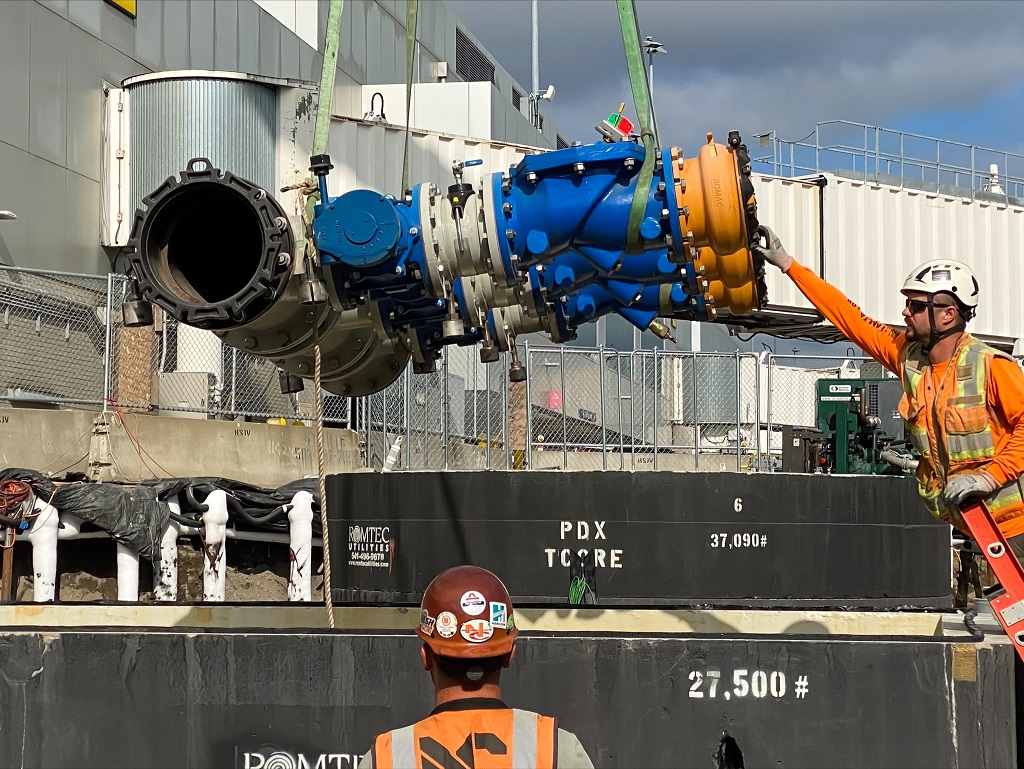
Image credit: romtecutilities.com
For Romtec Utilities, designing a pump station begins by defining those operating conditions rather than selecting equipment from a standard catalog. The project specifications could be used to come up with initial designs and budgetary information.
Consider: Where are we going?
The engineering is immediately changed.
The flow of wastewater in the domestic system is subject to significant variations throughout the day. The wastewater lift station is required when gravity conveyance is not or will not function. Engineers must therefore consider the expected flow, the conditions of peak the capacity of pumping, wet-well behavior, discharge requirements, and how the equipment is operated and maintained.
The water challenges faced by industrial facilities are various. Fluids that are oily, caustic or have high temperatures and pressures may be required by a manufacturing or processing facility. Romtec Utilities creates industrial systems which are used in various applications that range from data centers to oil and gas facilities and food processing facilities, power generation, and pharmaceutical waste.
Rainfall is the cause of a totally different Operating Cycle
Stormwater systems may be off the grid for extended periods until they suddenly need to deal with large volumes in the event of a major storm.
A stormwater pump station connected with a basin for detention, for example, must be in sync alongside the drainage plan. The runoff is absorbed into the basin. Storage temporarily regulates the volume instantly. A pumping system takes the water it collects to a designated outlet.
Romtec Utilities provided this solution for the development of the Norco business park in California. The plan called for a pumping station to empty the detention system of the public stormwater drainage network. The station was planned to function as a part of a development’s drainage system, not as an isolated part of the equipment.
The term “package” does not have to refer to off-the-shelf
An erroneous belief is that a package pumping device is merely a predetermined set of components.
In the scenario of engineered infrastructures packaging may refer to the fact that all of the main components are coordinated into one system. Valve and pump components can be determined based on the duty specifications.
It is particularly useful in connecting a brand new system to the existing infrastructure. In the case of industrial facilities and municipal buildings, there’s usually any space at all or a completely clean environment for installation. Equipment may need to fit within existing structures, piping electric systems, as well as operational schedules.
The Real Consequences of Capacity Planning
The cost of undersizing rises when the facility grows.
Romtec Utilities, a Portland International Airport utility company, created and supplied the sewer interceptor station for the PDX Next project. The station was constructed to double the peak-flow capacity of the previous station as the airport’s facilities increased.
It illustrates an important engineering principle: design conditions should not reflect only the way a facility is able to handle during a typical afternoon. Engineers must also know the impact of demand spikes.
The work isn’t done when the equipment arrives
In the end, drawings and calculations have to become an operating system. Installation coordination, startup, testing documentation, and user understanding all contribute to the long-term success of.
A well-engineered pumping system will ultimately be defined by the results that take place years after the construction. The decisions made during the initial design are clearly visible when the equipment requires maintenance and flows increase, or the weather strikes.
Romtec Utilities blends these choices to provide a complete pumping solution for a specific project. It assists in turning equipment into infrastructure that is specifically designed for the conditions where it is used.