
The Braids Look Beautiful in the Photo. But Will They Work for Your Everyday Life?
A hairstyle can look incredible on social media and still be completely wrong for your usual routine. A person balancing long workdays and frequent workouts may need hair that stays comfortably away from her face. Waist-length braids might photograph beautifully, yet their weight and upkeep may not suit her schedule. By contrast, someone preparing for a celebration might welcome a dramatic design and the extra preparation it involves. A style chosen for a special occasion can reasonably involve more preparation than one intended to remain convenient through long shifts and regular workouts.
These customers have different needs, so a single appointment plan would not suit them both. When visiting a braiding salon on Westheimer in West Houston, start by explaining your everyday activities and expectations before settling on a particular look.
Think About Your Week Before Choosing a Braid Size
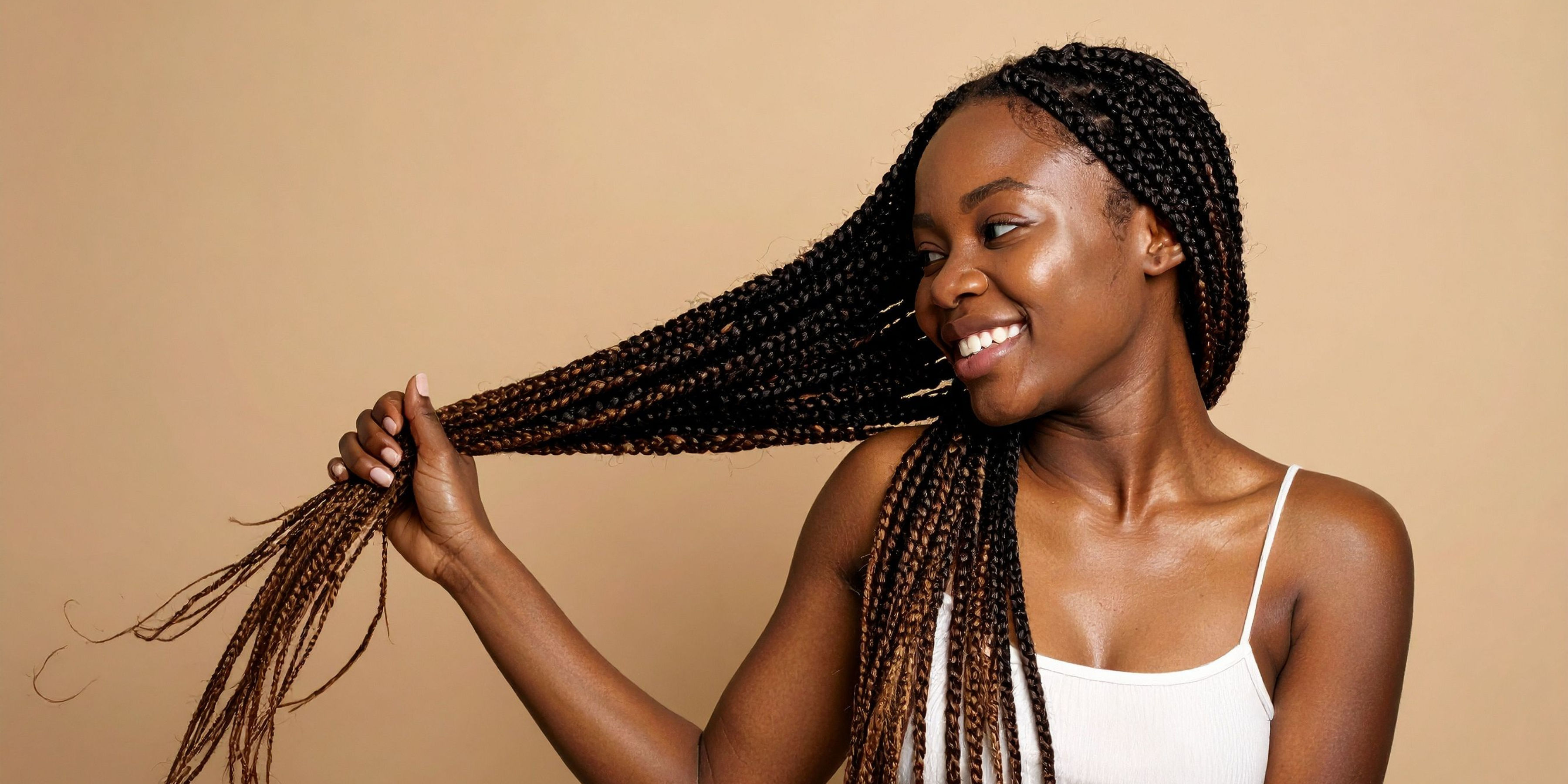
Braids can simplify everyday styling, but the installation process and ongoing care vary considerably. With smaller knotless braids, the stylist creates a larger number of individual braids for a more intricate finish. They can be arranged in different ways, yet both putting them in and taking them out usually require more time. The detailed appearance of smaller sections may be appealing, but clients should also account for the longer appointment and removal process.
Braid size changes both the visual effect and the number of sections a stylist creates. Larger knotless braids use fewer sections and create a more prominent, bold style that may suit someone seeking a simpler overall finish. A medium size can appeal to someone seeking a middle ground, while a larger size changes the visual effect by using fewer, more prominent braids.
At WOW African Hair Braiding Westheimer, clients can discuss these differences before selecting their preferred size and length. A reference photo is a helpful starting point, but it cannot reveal how much extension hair was used or how the finished style feels. Ask about the planned length and the amount of added hair, since these details can change the wearing experience even when two photographs look similar.
Why Tight Braids Are Not a Requirement for Beauty
A common misconception is that tight braids are necessary for a neat, long-lasting appearance. When braids place too much tension on the hair and scalp, irritation can occur, and repeated traction may contribute to a type of hair loss known as traction alopecia. The goal is a clean-looking result without relying on painful tightness to hold the style in place.
If your scalp feels painful during installation, tell your stylist immediately. Pain should not be treated as a normal requirement of braiding. Your stylist should consider your hairline’s sensitivity, the condition of your natural hair, the braid length, and the weight of any extensions. If you often gather your braids into a ponytail or bun, mention that habit because it can add pulling at the edges. The way a client plans to wear finished braids matters just as much as the way the braids are installed.
What to Know Before Choosing Loose-Curl Braids
Boho-inspired designs often combine braids with free-flowing curls, creating movement and a textured finish that differs from traditional box and knotless styles.
The finished appearance can change with the type of extension hair, the type of curl, and where loose strands are placed. If you are booking Goddess Braids in the West Houston area, confirm the precise look and the hair you will need in advance. Before the appointment, ask what hair is needed and whether the planned design matches the photograph you intend to use.
For some Goddess or Boho appointments, clients must supply human hair with a wavy texture because the salon does not stock the hair required for those designs. Certain designs call for wavy human-hair extensions that customers need to bring themselves. Ask about caring for the free-flowing curls as well, since their ongoing care may differ from that of the finished braids. Checking the hair requirements before the appointment can prevent a planned style from changing simply because the necessary material is missing.
Braiding Choices for Different Members of the Family
There is no single braid style that meets every family member’s needs. One client may want a practical protective style for regular use, while another is looking for detailed patterns, twists, or a standout look for an event.
Serving Houston’s Westchase and Briar Forest area, WOW African Hair Braiding welcomes clients of different ages, including women, men, and children. Its braiding services on Westheimer include traditional and contemporary styles, with knotless and box-braid styles among the available options. The range of available braiding styles makes it useful to explain whether the appointment is for everyday convenience or a particular occasion.
Bring the Idea, but Discuss the Details
Think about your preferred braid length, how long you can comfortably sit for an appointment, and the amount of care you can manage each day. Decide what length appeals to you, how much installation time fits your schedule, and what daily upkeep you are willing to do. Bring reference images that clearly illustrate your desired preferred length and size. A few carefully chosen examples can communicate more than a single image that shows only the finished hairstyle from one angle.
Be sure to mention past scalp discomfort, sensitivity, or painful installations. The right braiding appointment should produce more than an attractive hairstyle. The finished braids should also be manageable for your schedule, appropriate for your hair, and comfortable in normal week.